
Finding the best wireless headphones shouldn’t feel like a chore, yet endless choices and poor battery life often ruin the fun. You deserve crisp sound quality that lets you escape into a world of pure, immersive audio bliss where every beat feels alive. We’ve tested the top-rated models to save you time and money. Here are our favorite picks to help you find your perfect sonic companion today.
Top 8 Wireless Headphones:
1: Soundcore by Anker Q20i

In the past, hybrid ANC at this level was not feasible. That was altered by the Q20i.Features: 40 mm drivers, 22 EQ presets via app, Bluetooth 5.0 multipoint, 40 hours of battery life with active noise cancellation enabled, and hybrid 4-mic ANC.During testing, a remarkable 25 dB of noise reduction was recorded. In real-world use, the battery life reliably outperformed the claims.
In wired mode, active noise cancellation (ANC) turns off, the sound is bass-heavy and muddy, and the earcups are too tight for those with bigger ears.Suitability: low-budget commuters looking to muffle motor and workplace noise. Avoid if you require wired active noise cancellation on flights or balanced audio.Unexpectedly affordable, but don’t expect high-quality audio.
2: JBL Tune 720BT

The battery life is seventy-six hours. The whole plot revolves around that real number.Salient features include 40 mm drivers, Bluetooth 5.3, USB-C charging, a 10-band software EQ, and the ability to swap between many points.The built-in rolled-off highs are noticeably improved by the app EQ, and the Bluetooth 5.3 connectivity is rock-solid.
Checking in with reality: no active noise reduction, a plastic construction without a carrying case, and muted highs without equalization.Ideal for: people who prefer a peaceful setting and require a couple of weeks between charges. People who are expecting noise-cancelling capabilities should not use this.Longest battery life compared to all other products in this category.
3: Soundcore Space One Pro

The system has six microphones, LDAC, and adaptive active noise cancellation. At this pricing point, this specification sheet is unnecessary.A few important specs: a 40-hour ANC battery, Bluetooth 5.3, LDAC, a 40-mm triple-composite driver, and an 8-hour quick charge that just takes 5 minutes.ANC works with headphones that are priced twice as high. The eight-hour rapid charge, which takes only five minutes, is one of the quickest options.
The downsides are as follows: the absence of a hard case, the fact that the headband slides off thinner skulls, and the inactivation of LDAC on iPhones.Ideal for: Budget-conscious Android users seeking LDAC and good active noise cancellation. Discontinued for iPhone users who were hoping for high-resolution audio.Outperforming every other model in this lineup in terms of specs.
4: Beats Solo 4

The Beats Solo 4 proves something no technical description can for Apple ecosystem customers.Important features include: 40mm transducers made to order, Bluetooth 5.3, 50 hours of battery life, lossless music via USB-C, 217g, and Fast Fuel.Without touching a thing, you may effortlessly transfer from your iPhone to your Mac. Playback quality is much improved over Bluetooth when using USB-C lossless audio with a MacBook.
Disadvantages: on-ear design leads to ear fatigue after 90 minutes of use, there is no multipoint Bluetooth, and there is no noise cancellation.Who this is ideal for: Apple fans who are always juggling their Macs and iPhones. Commuters, Android users, and those with sensitive ears should not use this.Designed with Apple fans in mind, but will annoy non-fans.
5: Nothing Headphone

Notable features include 40 mm KEF-tuned speakers, Bluetooth 5.3, LDAC, adaptive ANC for volumes up to 42 dB, a 6-mic system, water resistance to IP52, a battery life of 35 hours with ANC and 80 hours without, and physical controls for the roller and paddle.The battery lasted longer than expected (42 hours with active noise cancellation turned on) throughout testing. Among the most enjoyable features in this category are the physical controls, including the rollers and paddles.
Important details: it weighs 329 grams, which makes it the heaviest on the list, the case is large and won’t fold, and the active noise cancellation (ANC) isn’t up to par with Sony or Bose.Who it’s best for: Android users looking for physical controls, long battery life, IP52 protection, and LDAC.Those on the go who require a small, foldable backpack should not get this.A self-assured, distinctive introduction is the first over-the-ear.
6: Bose QuietComfort Headphones

Just one kind of person should own a pair of Bose QuietComfort headphones: those who wish to tune out the world and never give them a second thought.Bose hybrid dual-mic ANC, Bluetooth 5.1, AAC/SBC, 240g, 24-hour battery, tactile buttons, and a carrying case are among of the important specs.Real-world use of active noise cancellation (ANC) reduces engine and workplace noise by 50-85%. During cold weather conditions and phone calls, physical buttons are preferable than touch panels.
Cons: lack of LDAC, notable video sync issues caused by Bluetooth slowness, and a 24-hour battery that trails six to eleven hours behind competitors in this grade.Who it’s ideal for: people who travel a lot or work remotely and want a comfortable, hassle-free experience all day long.People who utilize Android LDAC, stream videos, or play games should not use this.
Reputation earned; be aware of the restrictions before purchase.
7: Sony WH-1000XM6
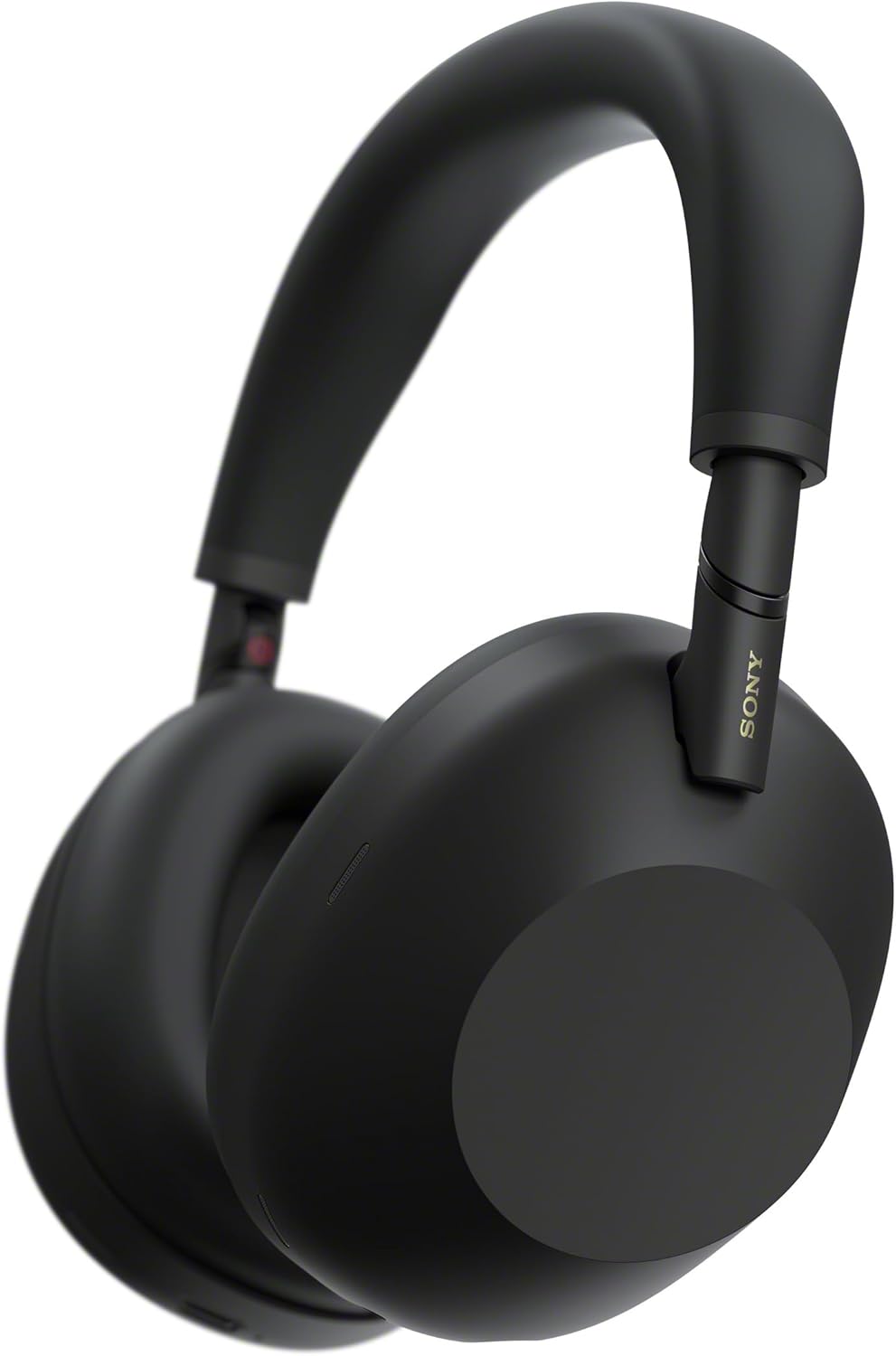
Sony equipped the WH-1000XM6 with a whopping twelve microphones. Those are important digits.The following specifications are important: 30mm carbon fiber drivers, 254g, Bluetooth 5.3, LDAC, 12-mic adaptive ANC, 30-hour ANC battery, 3-min charge → 3 hours, 10-band EQ.Consistent in open offices, trains, and planes, ANC adjusts in real time to factors including air pressure, glasses, and headwear. On this list, Android users have the most control over the sound quality thanks to the 10-band EQ with LDAC.
The new fold mechanism could seat badly if you’re in a hurry, and XM5 users won’t feel like they got enough of an upgrade. It also lacks USB-C audio, which is something that competitors provide.This is the best all-arounder for regular fliers and Android LDAC users. Do not use if you require USB-C lossless audio or if you possess an XM5.Ideal headphones in general, missing one important feature.
8: Bose QuietComfort Ultra (2nd Gen)
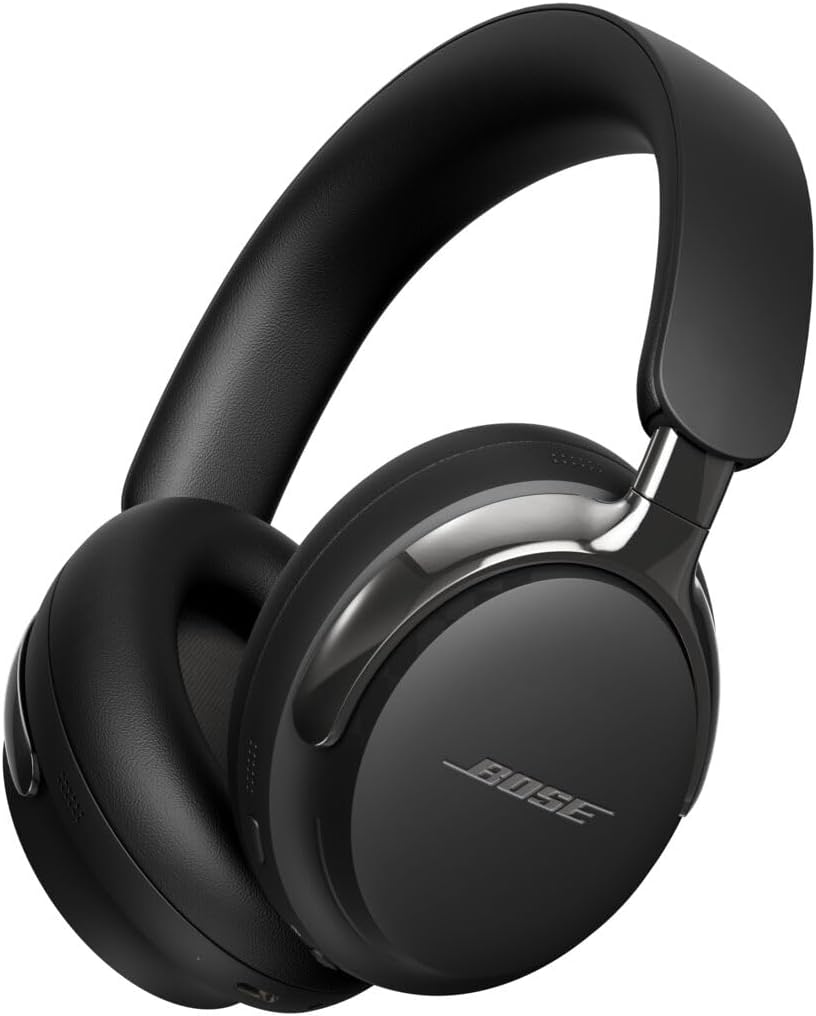
The ANC ceiling looks like this. As far as noise-cancelling headphones go, it was voted best in 2025 by a number of experts.Crucial details: Features 264 g, Bluetooth 5.4, aptX Adaptive, multi-mic ActiveSense ANC with CustomTune calibration, 45 hours of ANC off/on battery life, USB-C lossless audio, and more.With CustomTune, ANC is fine-tuned for each wear according on your ear shape, resulting in an 87% reduction in test noise. The greatest issue with the previous generation is now resolved with the inclusion of USB-C lossless audio.
The truth: a firmware upgrade in 2025 created brief audio issues before they were corrected, the 3-band EQ is primitive compared to Sony’s 10-band, and Android users do not have access to LDAC.Who it’s best for: ANC ceiling purists, iPhone owners, and those who value comfort above all else. Those who use Android LDAC or who want to edit audio files should not use this.This is the solution if ANC is the main concern.
Things to Consider Before Buying a Wireless Headphone:
This guide outlines vital factors to evaluate when purchasing wireless headphones. You’ll explore aspects such as sound quality, battery life, comfort, and connectivity to ensure you choose the right pair for your needs.
Over-Ear versus On-Ear Designs
Comfort and sound quality differ between over-ear and on-ear designs. Over-ear headphones envelop your ears, delivering immersive sound but may feel bulkier. In contrast, on-ear models are lighter and more portable, making them practical for casual use without sacrificing too much quality.
True Wireless Stereo (TWS) and In-Ear Monitors
TWS options provide total freedom from wires, with each earbud operating independently. In-ear monitors, on the other hand, are designed for optimal audio performance and fit securely in your ear, minimizing external noise and maximizing sound quality. TWS and in-ear monitors represent modern convenience and superior sound engineering. With advancements in battery life and connectivity, TWS earbuds are perfect for users wanting mobility, while in-ear monitors excel in delivering high fidelity across various genres of music. Both offer distinct advantages depending on your listening habits and lifestyle preferences.
Battery Life and Charging Speed Standards
Battery life determines how long you can use your headphones on a single charge, while charging speed indicates how quickly they recharge. Aim for headphones that offer at least 20 hours of playtime and fast-charging features to stay connected during busy days.
Bluetooth Codecs and Signal Latency
Bluetooth codecs, the methods used to compress audio signals, significantly affect sound quality and latency. Higher-quality codecs minimize delay and enhance listening experiences, making it vital to choose headphones that support advanced codecs like aptX or AAC.
Latency can detract from your experience, especially when watching videos or gaming. Lower latency ensures that audio syncs perfectly with video playback, preventing frustration. Understanding how various codecs impact both audio quality and signal lag is key to enjoying high-fidelity sound with minimal interruptions.
Advantages of Mobility and Device Compatibility
Mobility stands out as a significant benefit, allowing you to move freely without tethering to a device. Most wireless headphones seamlessly connect to various gadgets, enhancing versatility and user experience across phones, laptops, and tablets.
Potential Limitations in Audio Fidelity and Connectivity
Audio fidelity can sometimes suffer in wireless headphones due to compression and transmission issues. Connectivity may also fluctuate, particularly in crowded environments or with low batteries, leading to interruptions in your listening experience.
Audio fidelity problems often arise from the compression used during transmission, which can diminish sound quality. Furthermore, weaker connectivity may result in dropouts or lag, especially when you’re far from the source device or if there are physical obstructions. Such issues can impact your overall enjoyment, especially for audiophiles or those who prioritize sound clarity.
Matching Features to Specific Environments
Evaluate where you plan to use the headphones. Noise cancellation is ideal for busy environments, while durability matters for outdoor activities. Battery life becomes imperative for long trips. Tailoring your choice to specific situations ensures maximum enjoyment and productivity.
Identifying Value in Premium versus Budget Models
Focus on distinguishing key features that justify price differences. Budget models may lack advanced sound technology, while premium versions often provide superior materials and warranties. Assessing your personal audio preferences can help determine what’s worth the investment.
When comparing premium and budget headphones, consider sound quality, build materials, and additional features like noise cancellation or sweat resistance. While budget models may be suitable for casual listeners, premium options often cater to audiophiles seeking exceptional clarity and comfort. Investing in quality headphones can enhance your overall listening experience, making it worthwhile if you value audio performance.
Defining Your Primary Use Case and Budget
Identify how you plan to use the headphones. Different activities like commuting, gaming, or studio work may require specific features. Establish a budget that matches your intended use. Balancing your needs with the right price point ensures a wise investment.
Assessing Long-Term Comfort and Build Quality
Choosing headphones with comfortable materials and construction is imperative. Look for adjustable features and sturdy components to enhance the listening experience over time. Testing different models will help you find the best fit for prolonged use.
Prioritize comfort and build quality by trying on various styles. Look for sufficient padding, weight, and materials that suit your everyday tasks. Durable headphones will withstand daily use better, so examine hinges and connectors carefully. Ensuring that your headphones are not only comfortable but also built to last will enhance your overall satisfaction.
To wrap up
Following this guide will help you make an informed decision when purchasing wireless headphones. Consider factors like sound quality, battery life, comfort, and compatibility with your devices. Prioritizing these elements ensures you choose a pair that meets your needs and enhances your listening experience.
Leave a Reply