
Finding the best smart locks shouldn’t be a stressful chore. Are you tired of fumbling for keys in the dark? Upgrading to keyless entry offers the ultimate peace of mind and transforms your home security into a foolproof shield. We’ve tested the top models to help you find the perfect fit for your front door. Let’s dive into the top rated options that make your daily routine safer and easier than ever.
Contents
- Top 8 Smart Locks:
- 1: Tapo DL100 Smart Wi-Fi Deadbolt
- 2: ULTRALOQ Bolt SE
- 3: eufy Smart Lock C220
- 4: Google Nest x Yale Lock
- 5: Schlage Encode Smart Wi-Fi Deadbolt
- 6: Aqara Smart Lock U400
- 7: eufy Smart Lock FamiLock S3 Max
- 8: Lockly Visage Zeno
- Things to Consider Before Buying a Smart Lock:
- Deadbolt replacements and retrofit solutions
- Biometric, keypad, and proximity sensors
- Hardware specifications and door alignment
- Wireless protocols: Wi-Fi, Bluetooth, and Z-Wave
- Enhanced convenience and guest access
- Cybersecurity risks and battery dependencies
- Defining Security Needs and Budget
- Ensuring Smart Home Ecosystem Integration
- Best practices for physical setup and strike plates
- Managing software updates and user codes
- Summing up
Top 8 Smart Locks:
1: Tapo DL100 Smart Wi-Fi Deadbolt
`
At the bottom of the price range is the Tapo DL100, a Wi-Fi lock made by TP-Link.Specifications: integrated Wi-Fi, keyless tactile-button keypad, auto-lock, IP54 waterproof, BHMA Grade 3, user-defined access codes with in-app monitoring, and more.The Tapo app manages scheduled access, remote unlock, and real-time alerts without a hub, and the rechargeable battery eliminates the need to constantly replace AA batteries.
Things they don’t tell you: the deadbolt design doesn’t drive handle hardware, tactile buttons take the place of an actual fingerprint reader, and the app is exclusive to TP-Link—no HomeKit, no Matter.For TP-Link homes that value dependable entry-level keyless access, this is the ideal solution. Avoid using this if you’re a HomeKit user or desire fingerprint unlock.This Wi-Fi deadbolt is the easiest to use of the bunch.
2: ULTRALOQ Bolt SE
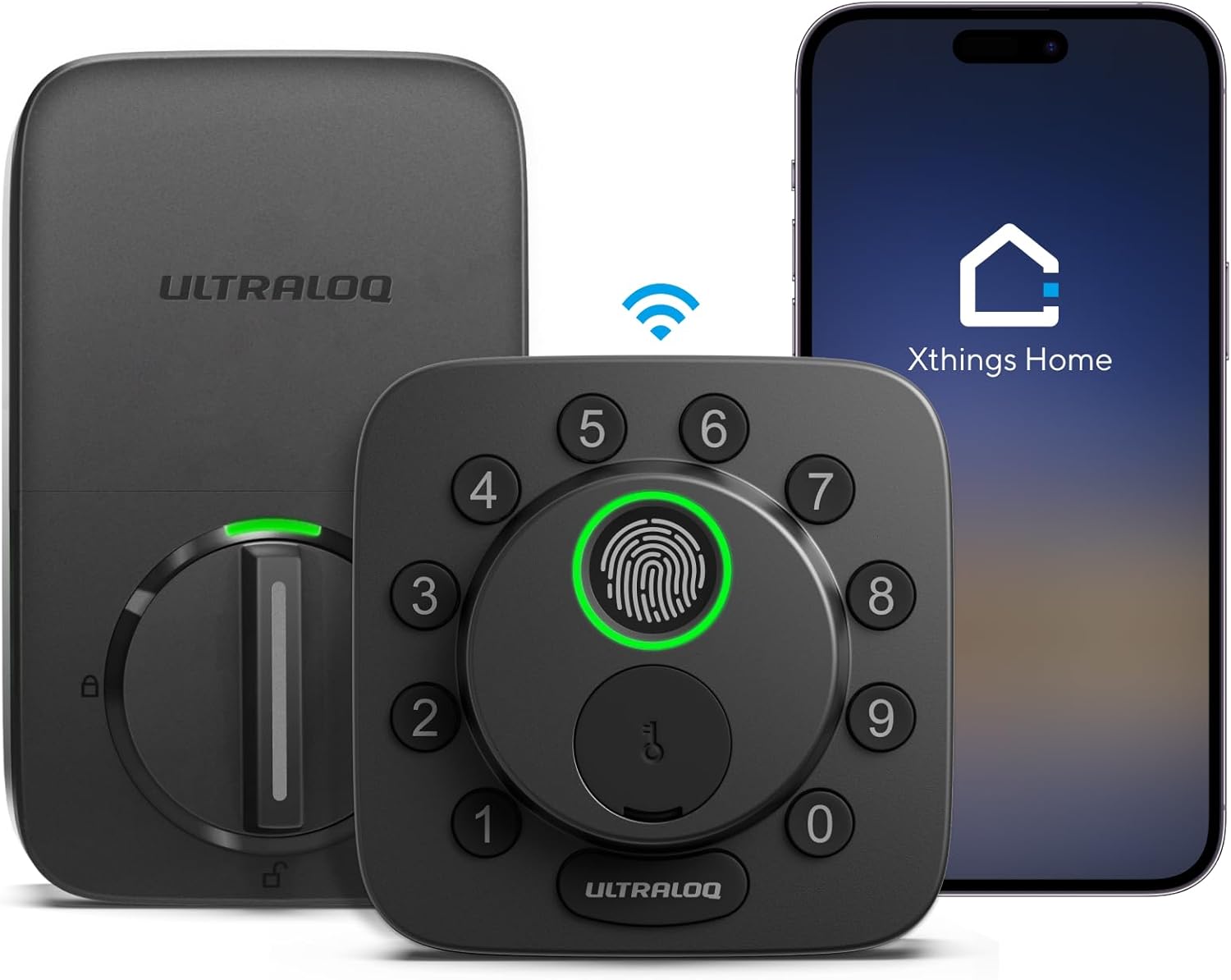
Support for Matter is only one of several features that the Bolt SE improves upon over the Tapo. Notable features include an 18-month battery life, compatibility with Apple HomeKit, Alexa, Google Home, and SmartThings, as well as built-in Wi-Fi and Matter over Thread. The seven-in-1 unlock method includes fingerprint ID, app, keypad, code, remote, key, and auto-unlock. With its 18-month battery life, the Tapo is twice as long as its competitors, and its Matter over Thread technology is making premium locks obsolete.
Compared to Schlage or Yale, the plastic deadbolt doesn’t seem as high-end, and there are more reports of Wi-Fi drops than customers anticipate. The fingerprint reader also requires re-registration with the seasons.Apt for: Apple Home Basics users and purchasers of the Matter ecosystem. Those seeking a shiny exterior or Wi-Fi that goes off without a hitch should look elsewhere.The best Tier 1 investment: Apple Home, Matter, and fingerprint.
3: eufy Smart Lock C220

The C220 elevates eufy’s dependability to a level that no other class in Tier 2 can match.These are the main features: a fingerprint scanner, 8 months of battery life, IP53 weatherproofing, BHMA Grade 3, compatibility with Google Assistant and Alexa, and built-in Wi-Fi without a bridge.Compared to the Ultraloq, the eufy app’s fingerprint scanner is supposedly quicker, and it manages user codes, guest passes, and remote unlock with ease.
The caveat is that it is only compatible with the eufy app and does not work with Apple HomeKit. Additionally, fingerprint readings are inaccurate in below-freezing temperatures.This fingerprint unlock method is ideal for Android homes and those who use Alexa or Google Home and want a branded solution. Do not read this if you are a HomeKit user or are intending to switch to Matter.The mid-range, budget-friendly crossover with the quickest fingerprint reader.
4: Google Nest x Yale Lock

This is the only lock on the market that works with Google Home in a seamless manner.Notable features include an auto-lock feature, a touchscreen keypad, extensive Google Home integration, a satin nickel finish, a Nest Connect bridge for remote access, and tamper-proof construction.Without the need for any external bridges, features like voice unlock, routine triggers, and Nest camera connectivity are all natively integrated with Google Home.
Disadvantages: remote access requires the Nest Connect bridge, which adds a wall socket; there is absolutely no Apple HomeKit; and Alexa necessitates an additional integration.For those who own Nest cameras or Google Home, this is the best option. Users of HomeKit or anyone seeking a solitary standalone device should not purchase this.This lineup’s native Google Home option.
5: Schlage Encode Smart Wi-Fi Deadbolt
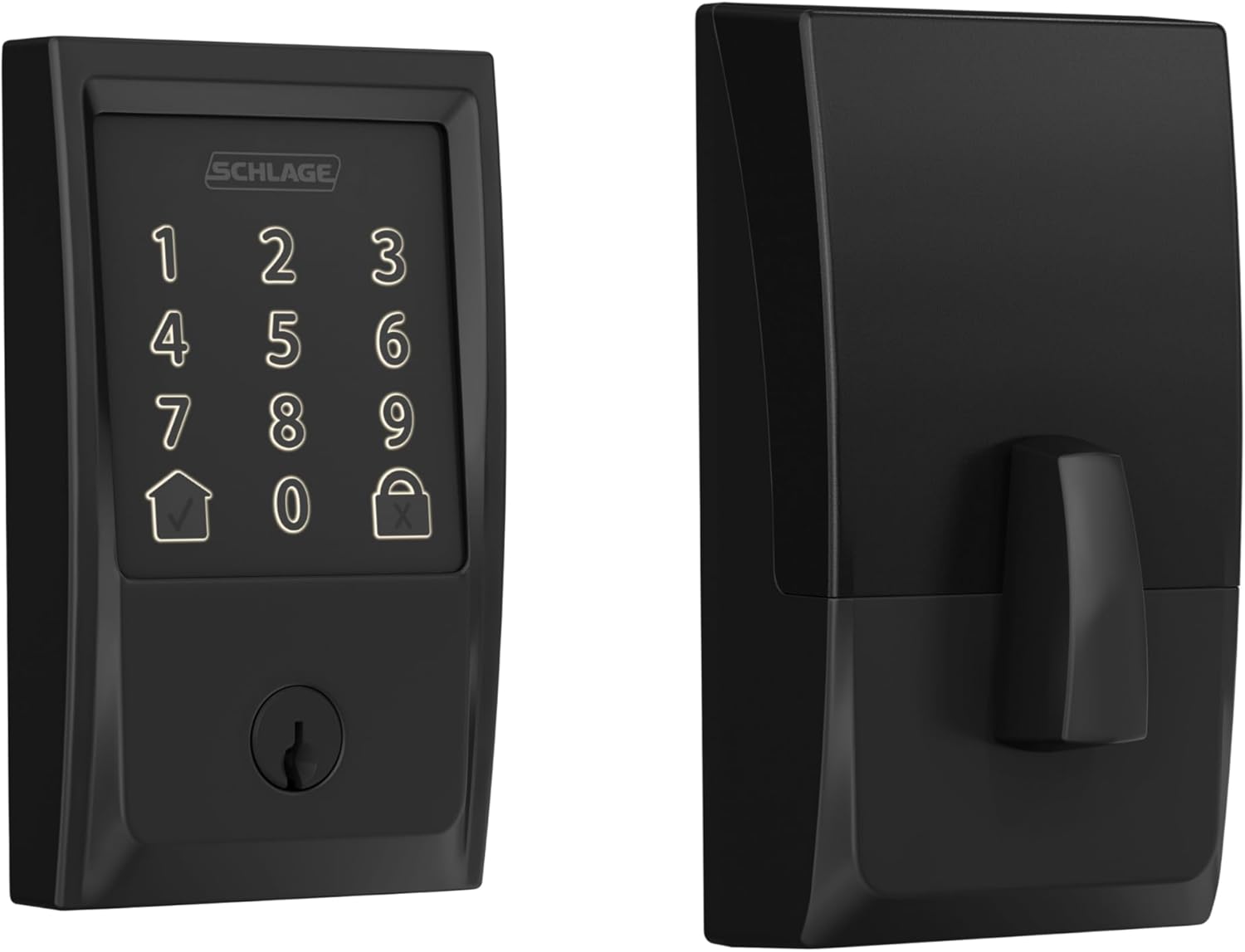
All the other locks here are measured against the Encode, which is the premium-tier standard.Features: alarm sensor, Alexa and Google connectivity, a touchscreen keypad, built-in Wi-Fi without a hub, the highest residential grade from ANSI, and more. The highest residential certification that any lock here may achieve is ANSI Grade 1.
Important information: the touchscreen consumes power more quickly than traditional keypads, and there is no Matter support or Apple HomeKit.Approved for usage by Airbnb hosts and Google Home and Alexa users who value construction quality. User of HomeKit not supported. Guaranteed top-tier security with an ANSI Grade 1 construction and the industry’s longest-running Wi-Fi platform.
6: Aqara Smart Lock U400

Here it is. Personally, I prefer this one.Some important specifications include: a rechargeable battery, a touchscreen keypad, a fingerprint scanner, Apple Home Key, Matter over Thread, HomeKit, Google, and Home Assistant.Unlock Your Door with UWB—No Taps, Codes, or Apps Necessary. With Apple Home Key, an NFC card or iPhone may serve as the key, and with Matter, it can be connected to any smart home.
In exchange, you’ll need a Thread Matter controller for remote control, you won’t get NFC cards, and Aqara’s US recognition isn’t as good as Schlage’s or Yale’s.Buyers looking for gear that can withstand the test of time and HomeKit households with Apple TV Thread or HomePod routers are the best candidates. People who don’t have a Thread controller shouldn’t do this.I haven’t found anything else that integrates UWB, Matter, and Apple Home Key.
7: eufy Smart Lock FamiLock S3 Max

If you’re looking for an all-in-one security system, doorbell, and camera, go no further than the FamiLock S3 Max.The following features are highlighted: support for Matter, palm vein recognition, a Wi-Fi keypad deadbolt, 16 GB of local storage, a 2K HDR doorbell camera with two-way audio, an interior video screen, and a twin battery design.Readers can map underlying vein patterns, and critics observe that the unlock time is less than one second; this makes palm vein more difficult to fake than fingerprint. Residents may see who is calling without opening the door thanks to the internal screen, which serves as a substitute for the peephole.
Here’s where it falls short: it doesn’t support Apple HomeKit even though Matter does, the inside screen casing sticks out from the door, and the 2K camera resolution isn’t up to par with 4K alternatives.Ideal for Matter or Alexa homes, as well as families who want a single device for entrance, doorbell, and security. For homes that solely work with HomeKit, this is not the case.An all-inclusive front door improvement with three security devices in one.
8: Lockly Visage Zeno

By transforming your face into a key, the Visage Zeno has earned its place at the top of our list.The following features are considered essential: 3D face recognition with infrared night vision, fingerprint scanner, built-in Wi-Fi, PIN Genie anti-peep keypad, Apple HomeKit with Home Key, Google, Siri voice control.Using depth-mapped scanning, 3D facial recognition supposedly achieves an approach-to-open time of less than two seconds, making it immune to 2D screen spoofs and pictures. PIN Genie prevents shoulder-surfers from capturing codes by randomly arranging the numbers in each entry.
The truth is that facial recognition is more of a luxury than a need. This tier lacks IFTTT, the device is noticeably bigger than the others, and fingerprint handling is the norm below it.Ideal for: HomeKit homes seeking the pinnacle of smart-lock technology. Customers with a preference for minimalist design or smart homes that rely heavily on IFTTT should not purchase this.The front door ceiling mounted 3D face recognition system with HomeKit and Home Key.
Things to Consider Before Buying a Smart Lock:
You should assess several key factors before investing in a smart lock. Security features, compatibility with existing systems, ease of installation, and user-friendly interfaces are imperative elements that can impact your experience and safety. Making an informed choice ensures better protection for your home.
Deadbolt replacements and retrofit solutions
Deadbolt replacements offer immediate security upgrades, while retrofit solutions enhance existing locks with smart functionality. Choose based on whether you prefer a full replacement or the addition of smart features to your current setup.
Biometric, keypad, and proximity sensors
Biometric, keypad, and proximity sensor locks present numerous access methods. Biometric locks identify users through fingerprints, ensuring exclusive access. Keypad locks utilize numerical codes, enabling you to share access easily. Proximity sensor locks automatically unlock when you approach, offering convenience and security.
Understanding biometric, keypad, and proximity sensor locks is imperative for making an informed choice. Biometric locks provide security by limiting access to authorized users through fingerprint recognition. Keypad locks are user-friendly, allowing easy code sharing, while proximity sensors enhance accessibility by unlocking doors as you approach with a smartphone or key fob. Each option caters to different preferences, ensuring there is a lock type for everyone.
Hardware specifications and door alignment
Check the specifications of your door, including thickness and backset measurements. A proper alignment ensures the smart lock operates effectively, preventing issues like misalignment and malfunction.
Wireless protocols: Wi-Fi, Bluetooth, and Z-Wave
Selecting a smart lock that uses the right wireless protocol is crucial for connectivity. Wi-Fi allows for remote access, Bluetooth offers proximity control, and Z-Wave provides low-energy, reliable communication. Each protocol has its own advantages depending on your lifestyle.
Understanding the differences between these protocols can enhance your smart lock experience. Wi-Fi enables direct connection to your home network, granting remote access through apps. Bluetooth usually functions within a limited range, making it convenient for everyday use without wasted energy. Z-Wave, designed for smart home systems, ensures interoperability between devices, requiring a central hub for management. The choice of protocol will impact both security and ease of use in your daily routine.
Enhanced convenience and guest access
Smart locks provide an elevated level of convenience by allowing you to unlock your door from anywhere, making it easy to grant access to guests without needing to be physically present.
Cybersecurity risks and battery dependencies
Cybersecurity remains a significant concern with smart locks, as their reliance on digital connectivity exposes them to hacking risks. Battery dependency can also lead to functionality issues if not monitored.
Hackers increasingly target smart locks, potentially gaining unauthorized access to your home. Regularly updating your lock’s software and using strong passwords can help mitigate these risks. Battery-operated models require frequent checks to ensure they remain powered, as failure to do so may compromise your home security. Being proactive about both aspects is necessary for maintaining effective security.
Defining Security Needs and Budget
Identify your specific security requirements, considering factors like property size and vulnerability. Establishing a budget will guide your choices, helping to prevent overspending while still ensuring adequate protection.
Ensuring Smart Home Ecosystem Integration
Compatibility with smart home systems is vital for maximizing the lock’s features. Check if the smart lock can integrate seamlessly with devices like security cameras, alarms, and home assistants to create a cohesive smart environment.
Integration allows you to control multiple devices from a single platform, simplifying user experience. By confirming compatibility with your existing smart home system, you ensure that the lock enhances overall security and convenience through automation and remote access features.
Best practices for physical setup and strike plates
Ensure strike plates fit securely to prevent unauthorized entry. Installing them flush with the door frame enhances security and lock performance. Invest in high-quality hardware for durability against wear and tear.
Managing software updates and user codes
Keeping your smart lock’s software up to date is imperative for security. Regularly check for firmware updates and create unique user codes for family and guests. Delete codes that are no longer needed to maintain control over access.
Software updates may introduce new features and improve security measures. Regularly accessing your smart lock’s app can alert you to these updates. Creating user codes for each individual enhances security, while routinely removing unused codes prevents unauthorized access. Balance convenience with safety by regularly reviewing access permissions.
Summing up
Following this, consider the security features, compatibility with existing systems, and the reliability of the smart lock brand. Assess ease of installation, power sources, and user access options to make an informed decision. Investing time in research ensures you select a smart lock that meets your needs and enhances home security effectively.
Leave a Reply