
Finding the best OLED TVs can feel tough with so many pricey options on the market. You want stunning picture quality and deep blacks, but you don’t want to waste money. Our guide simplifies your search, highlighting models with 4K resolution and infinite contrast. Get ready to transform your living room into a jaw-dropping home cinema that will leave you speechless. Let’s explore the top-rated displays that truly deliver.
Contents
- Top 8 OLED TVs:
- 1: LG 55-Inch Class OLED AI 4K B5 Series Smart TV
- 2: Samsung 55-Inch Class OLED 4K S85F Series Vision AI Smart TV
- 3: LG 65-Inch Class OLED evo AI 4K C5 Series Smart TV
- 4: Panasonic 77-inch Z8 Series OLED 4K Ultra HD Smart Fire TV
- 5: Sony 65-Inch BRAVIA XR8B OLED 4K Smart Google TV
- 6: LG 77-Inch Class OLED evo C4 Series Smart TV
- 7: Samsung 65-Inch Class OLED S95F 4K Glare Free Smart TV
- 8: Sony BRAVIA 8 II 65-Inch QD-OLED 4K Smart Google TV
- Things to Consider Before Buying a OLED TV:
- Standard WRGB OLED vs. QD-OLED Technology
- High-Brightness Enhancements and Heat Dissipation
- Color Accuracy and Infinite Contrast Ratios
- Motion Processing and Refresh Rates for Gaming
- Benefits of True Blacks and Superior Viewing Angles
- Addressing Brightness Limitations and Burn-in Risks
- Managing Ambient Light and Screen Reflections
- Optimizing Seating Distance and Mounting Height
- Verifying Port Standards and HDR Format Support
- Comparing Smart TV Platforms and Audio Capabilities
- To wrap up
Top 8 OLED TVs:
1: LG 55-Inch Class OLED AI 4K B5 Series Smart TV

To kick things off, we have the B5, a 55-inch OLED from LG that serves as an entrance point into webOS 25.Specifications: webOS 25, 55-inch OLED screen, 120 Hz, Dolby Vision/Atmos, Alpha 8 AI Gen2, NVIDIA G-Sync, AMD FreeSync, and NVIDIA QuickSync.With webOS 25, LG’s entry-level OLED offers the greatest smart-OS layer in the lineup, along with perfect blacks and support for Dolby Vision.
Things they don’t tell you: the upscaling capabilities of the Alpha 8 Gen2 processor are inferior to those of the Alpha 9 Gen8 in the C5, the HDR performance in well-lit rooms is diminished at a peak brightness of 700 nits, and the invasive home-screen advertising of webOS 25 persist.Dolby Vision and access to webOS 25 are the best features for first-time OLED purchasers. No, if you’re an HDR aficionado looking for C-series processing or live in a really bright room.An inexpensive entry point to LG’s webOS 25.
2: Samsung 55-Inch Class OLED 4K S85F Series Vision AI Smart TV

Using a QD-OLED panel and seven additional inches, Samsung’s OLED joins the same class.Specifications: 55 inches, 120Hz, QD-OLED display, NQ4 AI Gen2 CPU, Color Booster Pro, Object Tracking Sound Lite, Dolby Atmos, Tizen OS.With a color volume of QD-OLED that surpasses the C5 48″ in saturated content, and a screen size of 55 inches, it becomes a genuine contender for the living room.
The S90F’s Gen3 processor outperforms the earlier NQ4 Gen2 in terms of upscaling, dynamic HDR from Apple TV+ and Disney+ is unaffected by the lack of Dolby Vision, and multi-console setups are limited to 2 HDMI 2.1 ports.Who this is ideal for: Prospective 55-inch QD-OLED consumers from the Samsung ecosystem. Not recommended for homes with four devices or those streaming Dolby Vision.More luminous and expansive than the C5 48, but Samsung has not eliminated any features.
3: LG 65-Inch Class OLED evo AI 4K C5 Series Smart TV

The OLED that the majority of movie buffs purchase is this one, which goes up to 65 inches.Important features include a 65-inch OLED evo display, 120 Hz, 4x HDMI 2.1, Dolby Vision/Atmos, NVIDIA G-Sync, AMD FreeSync, and webOS 25.With four full HDMI 2.1 connectors, each console can run at native bandwidth, and Alpha 9 Gen8 upscaling is the leader in the WOLED field.
Unfortunately, webOS home-screen adverts remain invasive, the panel lottery is real, and the peak brightness falls somewhere between 800 and 1,300 nits, which trails QD-OLED in brightly illuminated settings.Apt for: home theater enthusiasts, multi-console homes, and those who want a more subdued viewing experience. Avoid: rooms with direct sunlight.For reasons that become immediately apparent upon powering on, this OLED was the best-selling model of 2025.
4: Panasonic 77-inch Z8 Series OLED 4K Ultra HD Smart Fire TV
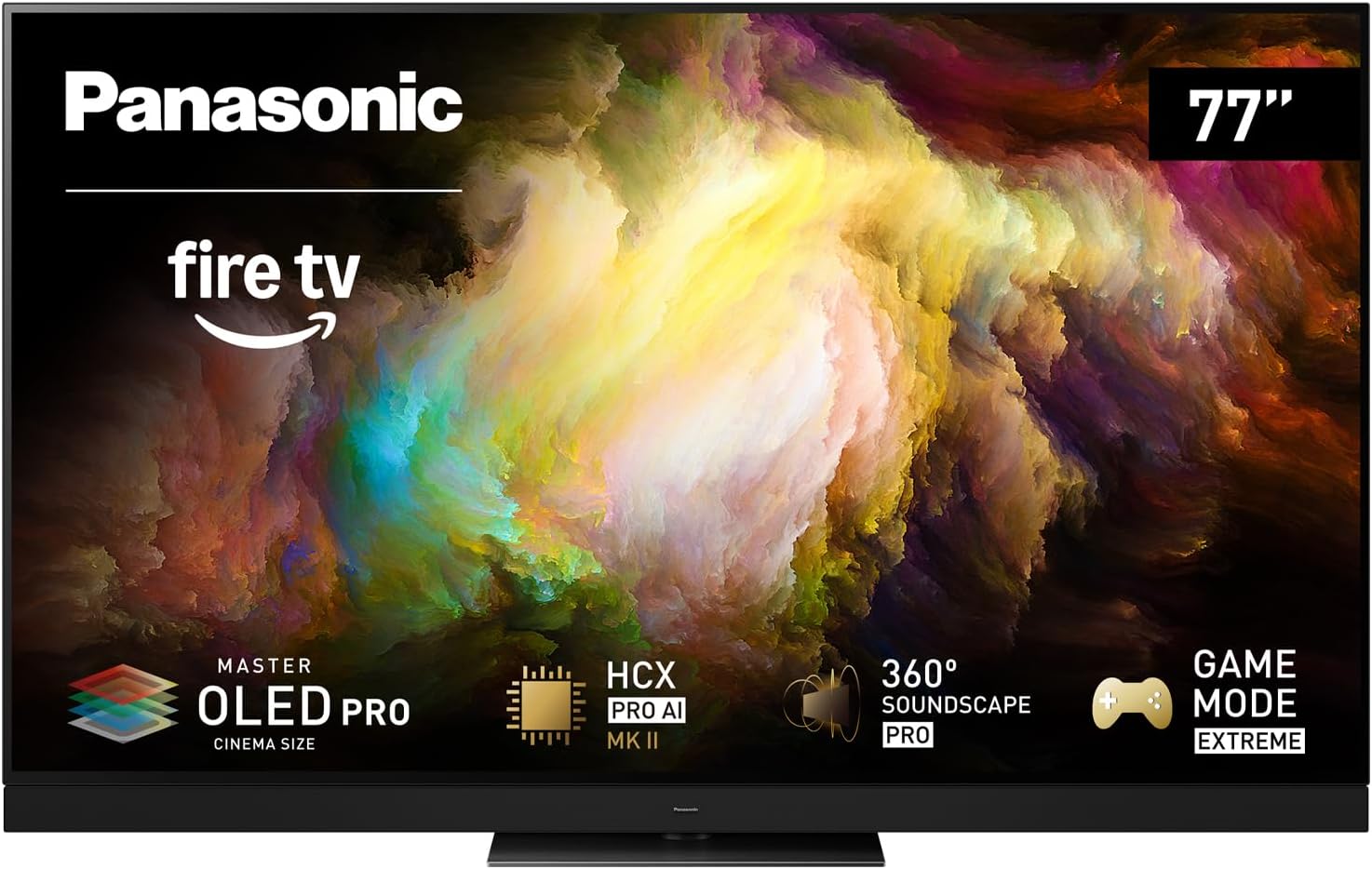
A 77-inch Panasonic OLED screen costs compared to the LG C5.The following are some of the important specifications: a 77-inch screen, an HCX Pro AI Processor MKII, 360 Soundscape Pro by Technics, 144 Hz, Dolby Vision IQ, HDR10+ Adaptive, and Fire TV.The 12 additional inches create a cinematic atmosphere in any living area, and the 360 Soundscape, which is tuned by Technics, provides the best built-in audio in this category.
Drawbacks include: Fire TV’s excessive advertising and webOS slowness, Dolby Vision’s omission of game-mode metadata, and Panasonic’s relative youth in the US OLED market, which makes brand support uncertain.Ideal for: people who value size above all else when shopping for a home theater system and require 77 inches without breaking the bank on a flagship model. Not for: gamers with Dolby Vision or smart-OS purists.No display larger than 77 inches of OLED is considered mainstream.
5: Sony 65-Inch BRAVIA XR8B OLED 4K Smart Google TV

This 65-inch WOLED display features Sony’s XR processor, which adds cinematic processing to the lineup.Notable features include a 65-inch WOLED display, 120 Hz, XR Triluminos Pro, IMAX Enhanced, Acoustic Surface Audio+, Google TV, and Dolby Vision and Atmos.When it comes to color science and motion, the XR processor is head and shoulders above the competition from LG and Samsung. For dialogue-locked sound that no soundbar can match, Acoustic Surface Audio transforms the screen into a speaker.
The cons include a 120Hz hard cap while competitors hit 144 or 165Hz, a lack of support for multi-device setups due to only 2 HDMI 2.1 connections, and a lower peak brightness of around 1,000 nits compared to QD-OLED displays.For those who like watching films than reading technical specs, this is the ideal option. People looking for 144Hz refresh or who own multiple consoles should not buy this.The selection from this group that best fits the field of picture science.
6: LG 77-Inch Class OLED evo C4 Series Smart TV

A year older LG OLED panel measuring 77 inches—the C4 foregoes the most recent processor in favor of a larger display.Included in the important specifications are the following: 77 inches, an OLED evo panel, 120Hz, an Alpha 9 AI Processor Gen7, 4x HDMI 2.1, Dolby Vision and Atmos, NVIDIA G-Sync, and AMD FreeSync.With 12 more inches, you can make the living room seem much larger without compromising the visual quality of the C-series. All four consoles maintain native bandwidth thanks to the four HDMI 2.1 connectors, while Alpha 9 Gen7 remains the market leader in 2024 WOLEDs.
In terms of upscaling, the 2025 Gen8 is ahead of the Alpha 9 Gen7; in brightly lit rooms, QD-OLED is ahead of the Alpha 9 Gen7; and webOS 24 is one generation behind.Applicable to: customers that prioritize size and are at ease with the picture quality of the previous generation of LG flagship products. People who are crazy about the newest processor or QD-OLED color scheme are not going to enjoy this.The C-series from last year, in augmented reality.
7: Samsung 65-Inch Class OLED S95F 4K Glare Free Smart TV

When it comes to picture quality, Samsung’s glare-free QD-OLED flagship is unrivaled by its OLED competitors.The following are some of the most important specifications: 65 inches, QD-OLED panel, 165Hz, NQ4 AI Gen3 processor, HDR Pro, glare-free coating, Dolby Atmos, 4x HDMI 2.1, Tizen.Daytime HDR now seems cinematic on an OLED with QD-OLED, which reaches peak brightness at about 2,100 nits. Finally, an OLED that can function in brightly lit environments thanks to a glare-free covering that gets rid of reflections.
Here are several areas where it falls short: dynamic HDR from Apple TV+ and Disney+ is not stripped by Dolby Vision, specular highlights are softened by the matte coating (even though some viewers prefer glossy), Samsung TV Plus is auto-launched by Tizen, and static material is forcefully dimmed by anti-burn-in.Perfect for: 165Hz PC gamers, sports fans, and movie buffs who like to watch in bright rooms.The following are not intended for: purists of glossy finishes or Dolby Vision streamers.Completely the best OLED for really bright settings.
8: Sony BRAVIA 8 II 65-Inch QD-OLED 4K Smart Google TV

This is it; it’s my favorite and the best option in terms of visual quality.These are some of the most important specifications: 65 inches, QD-OLED screen, 120Hz, XR Triluminos Max, Dolby Vision and Atmos, Acoustic Surface Audio+, Google TV, and XR Processor with AI.Colors meet reference targets exactly as the colorists intended on set with Sony’s XR processor on a QD-OLED screen, providing the best cinematic picture quality available. Keeping Dolby Vision intact, Sony’s brightest OLED panel to date meets the S95F’s top output.
The facts are that: competitors reach 165 Hz, this is a relatively new device with limited evidence on its long-term durability, and Sony’s Google TV is still lagging behind Tizen and webOS when it comes to software launches.Ideal for: die-hard movie buffs that value visual science more than raw specifications. Avoid if you’re a 165Hz PC gamer or if you’re looking for pure daylight brightness.Ceilings that look like a painting masterpiece—nothing else comes close.
Things to Consider Before Buying a OLED TV:
TV technology has advanced significantly, and OLED offers stunning picture quality. Before making a purchase, you should consider factors like size, viewing distance, brightness, and content types to ensure you choose the best model for your home entertainment needs.
Standard WRGB OLED vs. QD-OLED Technology
Standard WRGB OLED technology utilizes a white pixel to boost brightness, while QD-OLED employs quantum dots for enhanced color reproduction. Choosing between them depends on your priority-brightness or color fidelity.
High-Brightness Enhancements and Heat Dissipation
High-brightness improvements contribute to better HDR performance but can lead to increased heat generation. Choosing a model with efficient heat dissipation systems is vital for longevity.
High-brightness enhancements allow OLED TVs to showcase vivid colors and deeper contrasts during HDR content. However, with increased brightness comes the challenge of heat management. Effective heat dissipation systems can significantly extend the lifespan of the panels, ensuring consistent performance. After addressing these factors, you can confidently select an OLED TV that meets your viewing needs.
Color Accuracy and Infinite Contrast Ratios
Color accuracy is vital for true-to-life visuals, making your content pop. OLED technology provides infinite contrast ratios, enhancing dark scenes without loss of detail and giving depth to every image.
Motion Processing and Refresh Rates for Gaming
For gaming, motion processing is key in delivering smooth gameplay. High refresh rates can reduce lag and enhance responsiveness, ensuring you stay competitive during fast-paced action.
A higher refresh rate improves clarity during action scenes, making player movements appear fluid. Look for features like variable refresh rates (VRR) and low input lag, which are critical for an optimal gaming experience. Investing in a TV that excels in motion processing ensures you enjoy both cinematic experiences and gameplay without compromise.
Benefits of True Blacks and Superior Viewing Angles
True blacks provide an unmatched level of contrast that makes images pop, especially in dark scenes. Superior viewing angles ensure consistent color and brightness even from the sides, allowing you and your guests to enjoy an immersive experience from anywhere in the room.
Addressing Brightness Limitations and Burn-in Risks
Brightness limitations can affect daytime viewing, while burn-in presents concerns for static images. Understanding these risks helps you make informed decisions regarding usage patterns and settings to prolong your OLED’s lifespan without sacrificing quality.
Addressing brightness limitations requires careful consideration of your viewing environment. In well-lit rooms, OLEDs may struggle to compete with brighter LED TVs. You can mitigate this with careful placement and calibration. Burn-in risks, particularly from static images or prolonged logos, necessitate varied content consumption. Utilizing screen savers and regular content rotation helps maintain your TV’s condition and enhances your viewing experience.
Managing Ambient Light and Screen Reflections
Controlling ambient light enhances your OLED’s picture quality. Positioning your TV away from windows and using blackout curtains can minimize glare. If possible, consider adjusting the room’s lighting to create a more cinematic environment, allowing for richer colors and deeper blacks in your viewing experience.
Optimizing Seating Distance and Mounting Height
Determining the right seating distance and mounting height is important for an immersive OLED experience. Ideal viewing typically requires your seating to be about 1.5 to 2.5 times the TV’s diagonal size away, while eye level should align with the center of the screen for maximum comfort.
Optimal seating distance enhances clarity and detail while preventing eye strain. For example, if you have a 55-inch TV, positioning seating approximately 6.5 to 11.5 feet away offers an ideal viewing range. Mounting your TV at eye level, generally around 42 inches for an average sofa height, also improves comfort and reduces neck fatigue, making your viewing experience more enjoyable.
Verifying Port Standards and HDR Format Support
Check for HDMI 2.1 support and necessary HDR formats like Dolby Vision. These specifications are necessary for high-quality video and gaming experiences.
Comparing Smart TV Platforms and Audio Capabilities
Assess different Smart TV interfaces and app availability to ensure ease of use. Also, examine built-in audio features or compatibility with soundbars for enhanced audio experiences.
To wrap up
Consider factors such as screen size, compatibility with existing devices, and panel technology when buying an OLED TV. Evaluate your viewing environment and budget to ensure the best choice. Understanding these aspects enhances your viewing experience and ensures a worthwhile investment.
Leave a Reply