
Best MP3 Players make life easier when you want great sound on the go. If you’re tired of tiny storage, poor audio, or clunky controls, our tested picks solve those problems fast. We’re audio experts who reviewed dozens of portable music players and checked sound quality, so we promise clear recommendations for workouts, travel, or pure listening delight. You’ll love the amazing freedom and crystal-clear sound-read on to find the perfect player.
Top 8 MP3 Players:
1: AGPTEK M3 64GB MP3 Player with Bluetooth

Here is where you should begin. The entry-level option that doesn’t feel throwaway is the M3.Important features include an internal memory of 64 GB that can be expanded to 192 GB, a 2.4-inch screen, an FM radio, a voice recorder, and Bluetooth 5.3 with auto-reconnect.That 64 GB is important because most players at this level start with very little memory and will need a card before they can play.
Here’s what they leave out: you can only send files up to 3 GB in size, customers are most unhappy with the touch buttons, and neither balanced output nor high-resolution certification is available.If you want your library off your phone, this is the best option for gym bags, kids, or anybody else. Do not use if you are pursuing lossless collections or true fidelity.The most storage with the least amount of work.
2: HiBy Music R1

The R1 accomplishes a feat that no affordable player should be capable of.The following are some of the important specs: WiFi, Tidal and Qobuz already installed, microSD support up to 2TB, 15 hours of playback time, native DSD256, PCM 384 kHz/32 bits, LDAC and aptX.Because of the built-in streaming apps and the fact that LDAC transmits significantly more data than the codecs underneath it, wireless connectivity is no longer an issue.
The disadvantages include a lack of actual internal storage, a short 15-hour playtime, and the fact that the integrated Tidal and Qobuz cannot download offline, necessitating live WiFi for streaming.Who it’s best for: stream-hungry first-time high-res purchasers. Anyone without WiFi or listening on an offline device will not be able to enjoy this.Doing both well in the smallest possible package—streaming and lossless.
3: HIFI WALKER H2

In Tier 2, the DAC is no longer considered an afterthought.Notable features include a 128GB integrated memory card, a 32-bit/384 kHz DAC, a 107dB signal-to-noise ratio (SNR), a 1.5V line out, two-way Bluetooth 5.2 with aptX, and physical controls.Its true value lies in its line out and USB DAC modes, which allow it to function as a sound card for your computer or feed into a home amplifier.
Reality check: demanding headphones feel inadequate due to output topping out at 70mW at 32 ohms; rivals achieve DSD512, therefore there’s no balanced connector; and there is a ceiling of DSD128.Perfect for: people who prefer to listen on wired headphones. Not recommended for those with high-impedance headphones or those who prefer to use Bluetooth only.This tier’s most established performer.
4: Surfans F28 HiFi Music Player 128GB

The power issue that the H2 had is remedied with the F28.Notable features include a zinc alloy body, an ALPS analog volume knob, a 3.5-inch IPS touchscreen, a 12-hour battery life, native DSD256, 384kHz/32-bit PCM, 2.5mm balanced at 450mW, and 3.5mm.You can easily adjust the level with the ALPS knob; the 450mW balanced output is significantly more than what the H2 can handle.
The caveats are as follows: the storage limit is 512 GB, the shortest battery life is 12 hours, and the balanced jack is 2.5 mm, an outdated standard that requires an adaptor for newer cords.Who this is ideal for: balanced-cable users who prefer a non-Android driving experience. Not recommended for those who utilize streaming apps or own 4.4mm cables.Extreme productivity from a tool-like physique.
5: HiBy R4

This is the point at which they transform from portable music players into mini computers.Details: 32GB storage, Snapdragon 665, Android 12, four DAC chips, integrated Class A headphone amp, SRC bypass, 3GB RAM, microSD up to 2TB, 3.5mm and 4.4mm balanced outputs.Spotify, Tidal, and Qobuz may be installed straight on Android devices, and the resampling that degrades phone audio can be prevented with SRC bypass. A Class A amplifier and four digital audio converters are examples of high-end gear.
Important details: it is large and hefty according to critics, it has a Class A output that drains battery by design, and 32GB of internal storage is filled up quickly with programs.For those who are looking to replace their phone entirely, this is the great option. Ideal for: all-day battery life or compact, portable use.Here is the optimal hardware-per-tier ratio.
6: Sony NW-A306 Walkman 32GB

This one was inevitable, you knew.Important features include 32GB of internal storage with the option to expand via microSD up to 1TB, Android with WiFi, support for LDAC and aptX HD, a USB-C connector, a machined aluminum frame, DSD up to 11.2MHz, and 360 Reality Audio.Playing FLAC for 36 hours is far longer than any other battery here. With its machined aluminum chassis and Sony’s own tuning engine, it feels light years ahead of the competition.
Negatives: the amp is underpowered and doesn’t produce loud enough sound for demanding headphones, there is no balanced output, and only approximately 18GB of the 32GB is actually usable, according to reviews.Those who are committed to Sony products and those who travel large distances. Avoid: headphones with a high power consumption or large local libraries.Among these, the most famous and the most tarnished.
7: SHANLING M3 Ultra

There is one entry in Tier 4 that I am not entirely satisfied with.The following are the main specifications: 3GB of RAM, 32GB of storage, Android 10, WiFi, 3500mAh battery, 3.5mm and 4.4mm outputs, twin ES9219C DAC/amp chips, 32GB of storage, 32GB of RAM, and microSD up to 2TB.This model has the biggest battery at 3500mAh, and it can access music from a home server via DLNA, AirPlay, and NAS. One clever way to peruse books is on a 3:2 screen.
The third-tier dual-ES9219C pairing is located behind the four-DAC arrays, and the fact that it runs Android 10—an outdated version—means that app compatibility is declining.Perfect for: home-server audiophiles prioritizing battery life. Not for: DAC hardware or app longevity shoppers.Powerful battery, outlived all other components.
8: HiBy R6 ProII 2025
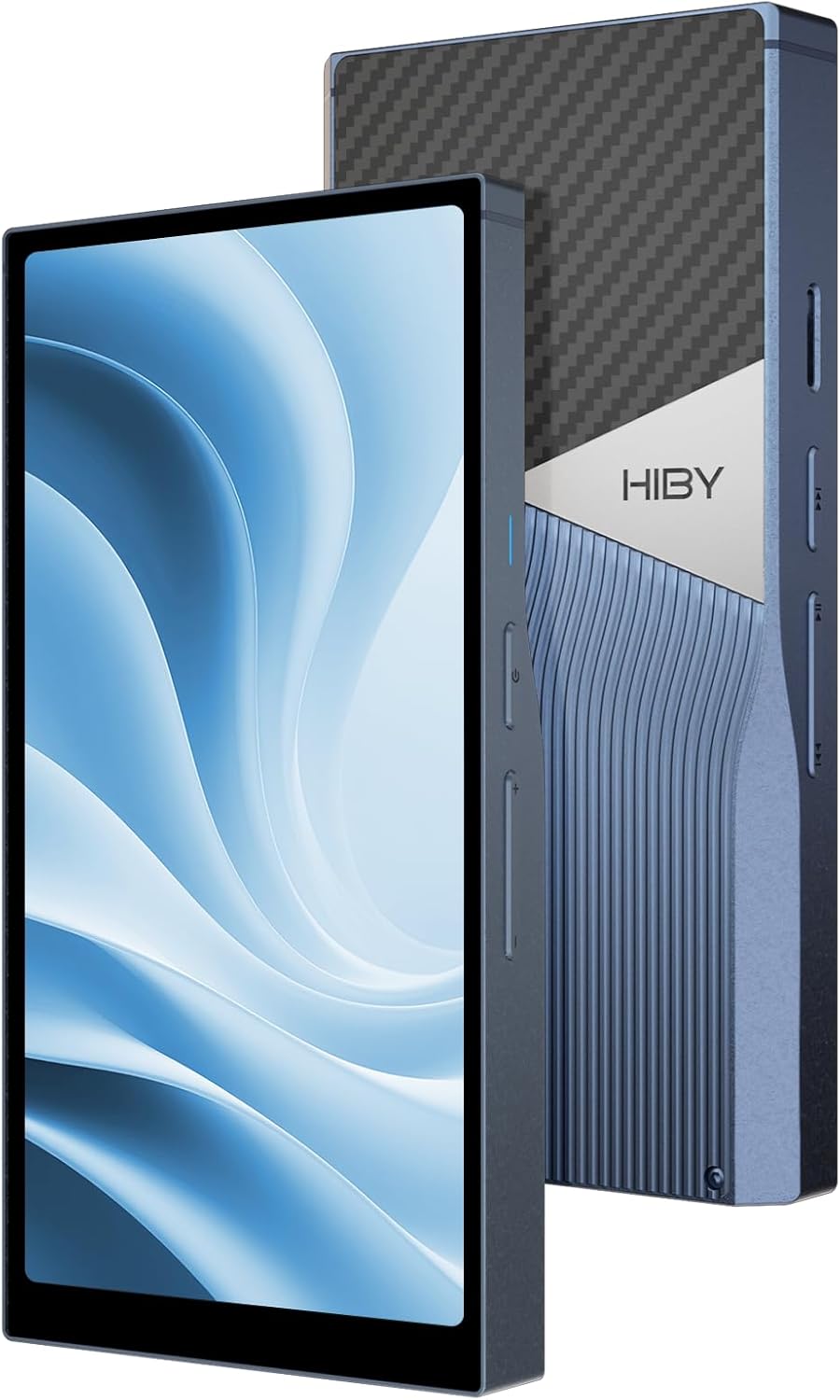
When the R4 brakes are disengaged, it becomes the R6 ProII.Specifications: 5.9-inch touchscreen, Snapdragon 665, Android 12, 6 GB of RAM, 128 GB of storage, microSD up to 2 TB, dual flagship CS4308P DACs, 8 channels, 123 dB dynamic range, THD+N sub -115 dB, and Class A amplifier.Desktop gear is characterized by a 123 dB dynamic range and distortion levels below -115 dB. Storage will no longer be an issue while using streaming apps thanks to the 128GB internal.
The 5.9-inch size makes it the largest gadget here, yet the two DAC chips it operates are smaller than the R4’s four. Additionally, Class A amplification is designed to drain batteries.Ideal for: people who own full-size headphones and want a portable way to measure their desktop. Warning: this is not for those who desire a tiny, portable device.At the top of this lineup, and rightfully so.
Things to Consider Before Buying a MP3 Player:
This guide assists you in making an informed decision about purchasing an MP3 player. With various options available, understanding features and specifications will help you choose one that best fits your listening needs and guarantees optimal audio quality for your favorite tunes.
Entry-Level vs. High-Resolution DAPs
Entry-level players are affordable and cater to everyday users, while high-resolution DAPs provide audiophiles access to superior sound quality and extensive file type support. Featured codecs and playback options enhance the latter’s appeal for discerning listeners.
Specialized Fitness and Waterproof Units
Fitness-focused MP3 players commonly come with features like built-in pedometers and Bluetooth compatibility. Waterproof units allow safe use during aquatic activities, ensuring music continues even in challenging environments.
Fitness units often have additional functionalities such as heart rate monitoring and compatibility with fitness apps. Waterproof MP3 players ensure that music listening isn’t interrupted during swimming or water sports, providing both durability and functionality. Models like these greatly enhance the workout experience for athletes and casual users alike.
Storage Capacity and Memory Expansion
Evaluating storage options is necessary, especially if you have a vast music library. Standard capacities range from 4GB to 128GB and beyond. Many models also support microSD cards, enabling easy memory expansion to accommodate more files.
Battery Life and Power Management
Battery life varies widely among models, typically falling between 10 to 40 hours of use. Look for features like power-saving modes that can extend playtime during long trips or commutes.
High-capacity models often come equipped with advanced power management systems, optimizing energy consumption without compromising performance. Users appreciate devices that allow quick recharging. For instance, some players can provide several hours of playback with just a 15-minute charge. This efficiency can enhance your listening experience, ensuring you stay connected to your music longer.
Benefits of High-Fidelity Sound Quality
Dedicated audio players often deliver superior sound fidelity, enhancing the listening experience. Users can appreciate nuances in music, such as subtle instrumental details and rich audio textures, making them ideal for audiophiles seeking an immersive experience.
Potential Hardware and Connectivity Limitations
Hardware limitations can arise when using dedicated audio players, particularly regarding connectivity options. Many models lack wireless capabilities, restricting streaming choices and forcing reliance on downloaded music.
Specific models may omit features like Bluetooth or Wi-Fi connectivity, limiting music access solely to local files. Some players only cater to certain audio formats, which can hinder users who prefer diverse media options. This lack of versatility often leads you to carry additional devices for broader functionality, which detracts from the intended convenience of a dedicated audio player.
Establishing a Feature-Based Budget
Determine your budget by assessing crucial features versus extras. Allocate funds for critical specifications such as audio quality and storage, while keeping an eye on less important features that could lead to higher costs.
Calculating your feature-based budget aids in prioritizing what truly enhances your experience. If you often listen to high-resolution audio files, consider investing more in devices that excel in sound quality. Conversely, if portability is key, focus on lighter options that don’t sacrifice battery life.
Optimizing Digital Music Library Management
Streamlining your digital music library is vital for a seamless listening experience. Use software tools to tag and sort tracks, ensuring easy access to your favorite songs. Regularly backing up your library can prevent potential loss of cherished albums.
Selecting Compatible High-Quality Headphones
Selecting headphones that pair well with your MP3 player can dramatically enhance audio quality. Look for headphones that provide a good fit, as comfort plays a significant role in prolonged listening sessions. In terms of sound, focus on those offering balanced frequencies and solid bass response.
Many notable brands focus on audio fidelity, delivering unique sound profiles tailored for different genres. Researching specifications like impedance and sensitivity will help identify models compatible with your device. Headphones with noise-canceling features can further enhance your listening experience, particularly in noisy environments. Investing in high-quality headphones often yields a richer and more immersive audio journey.
Conclusion
When considering an MP3 player, evaluate key features like storage capacity, battery life, and sound quality to ensure a suitable choice. Compatibility with your existing devices and audio formats also plays a significant role in enhancing your listening experience. Prioritize these factors to make an informed purchase that meets your music needs.
Leave a Reply