
Finding the best home theater projectors shouldn’t feel like a confusing chore. Are you tired of blurry images and dull colors ruining your movie nights? You deserve a breathtaking, big-screen setup right in your living room. We’ve tested the top 4K resolution models and ultra-short throw options to help you choose. Transform your space into a stunning private cinema that will leave your friends speechless. Let’s explore the top picks for your home.
Top 8 Home Theater Projectors:
1: NexiGo PJ40 (Gen 3)

With its D65-calibrated panel, the PJ40 justifiably serves as the entrance point here.Specifications: WiFi, Bluetooth, 2x HDMI with ARC, 20W speakers, D65 calibration, native 1080p, 700 ANSI lumens, LED backlight, and HDR10.In a completely dark room, the contrast remains sharp, the blacks remain under control, and the depth of field is apparent.
The catch is that the 700 lumens won’t hold up in any kind of natural light, you’ll need a streaming stick because there isn’t an integrated smart OS, and the color range of the LED is exceptionally narrow.Those just starting out in the darkroom who value a calibrated image above one that requires extensive setup will find this to be the ideal option. Avoid in well-lit areas or if you require built-in Netflix.The list’s most forthright entry projector.
2: Dangbei Atom

If you upgrade, you’ll get a laser light source, Google TV, and a licensed Netflix subscription already installed.Specifications: 1.87″ slim body, 180″ maximum screen, 1200 ISO lumens, Google TV, licensed Netflix, Dolby Audio, and native 1080p (4K input available).In comparison to the NexiGo, that laser’s color push is substantially wider, and setting up Google TV for the first time is really painless.
The downsides include a mediocre sound output, a portable-class design that befits the price, and the fact that 1200 lumens still need a dim area to appear its best.Ideal for: those looking for a cheap way to get Google TV plus a laser pointer. Not recommended for: highly light areas or customers seeking high-end construction.This Tier 1 improvement is the most cost-effective.
3: Dangbei DBOX02

On this list, actual 4K laser projection begins at this point.Impressive technical specifications: 4K resolution, 2450 ISO lumens, ALPD laser, Google TV, licensed Netflix, HDR10+, Blu-ray 3D, 2x12W DTS and Dolby Audio, and a maximum screen size of 200″.With 2450 lumens, the DBOX02 is a significant improvement over all of Tier 1 options, and it can withstand moderate ambient light without washing out.
An important note: ALPD is a single-laser phosphor and not a triple-laser, hence its color gamut is lower than that of the XGIMI, there is no lens shift, and the throw ratio is fixed.Ideal for: customers seeking a semi-controlled environment with a genuine 4K laser. Not recommended for: fully darkened venues that place a premium on color accuracy.The best value for the money among these models.
4: XGIMI HORIZON Ultra

What really sets the HORIZON Ultra apart is its ability to bring Dolby Vision to Tier 2.These are some of the important specs: 4K, 2300 ISO lumens, Dual Light (LED + laser), Dolby Vision, 2x12W Harman Kardon, Active 3D, lens shift, autofocus, 200″ max, Android TV.Dolby Vision makes a noticeable difference; high dynamic range (HDR) highlights stand out, and dark images retain depth that is unmatched by standard single-laser projectors.
The truth check: compared to triple laser, Dual Light is an older hybrid technology with a smaller color spectrum, and Android TV feels antiquated in comparison to Google TV.Proven 4K purchasers seeking Harman Kardon and Dolby Vision audio will find this offering ideal.Those looking for the most up-to-date smart operating system or the best color gamut may want to look elsewhere.Established at this level are Dolby Vision and Harman Kardon.
5: JMGO N1S Ultimate
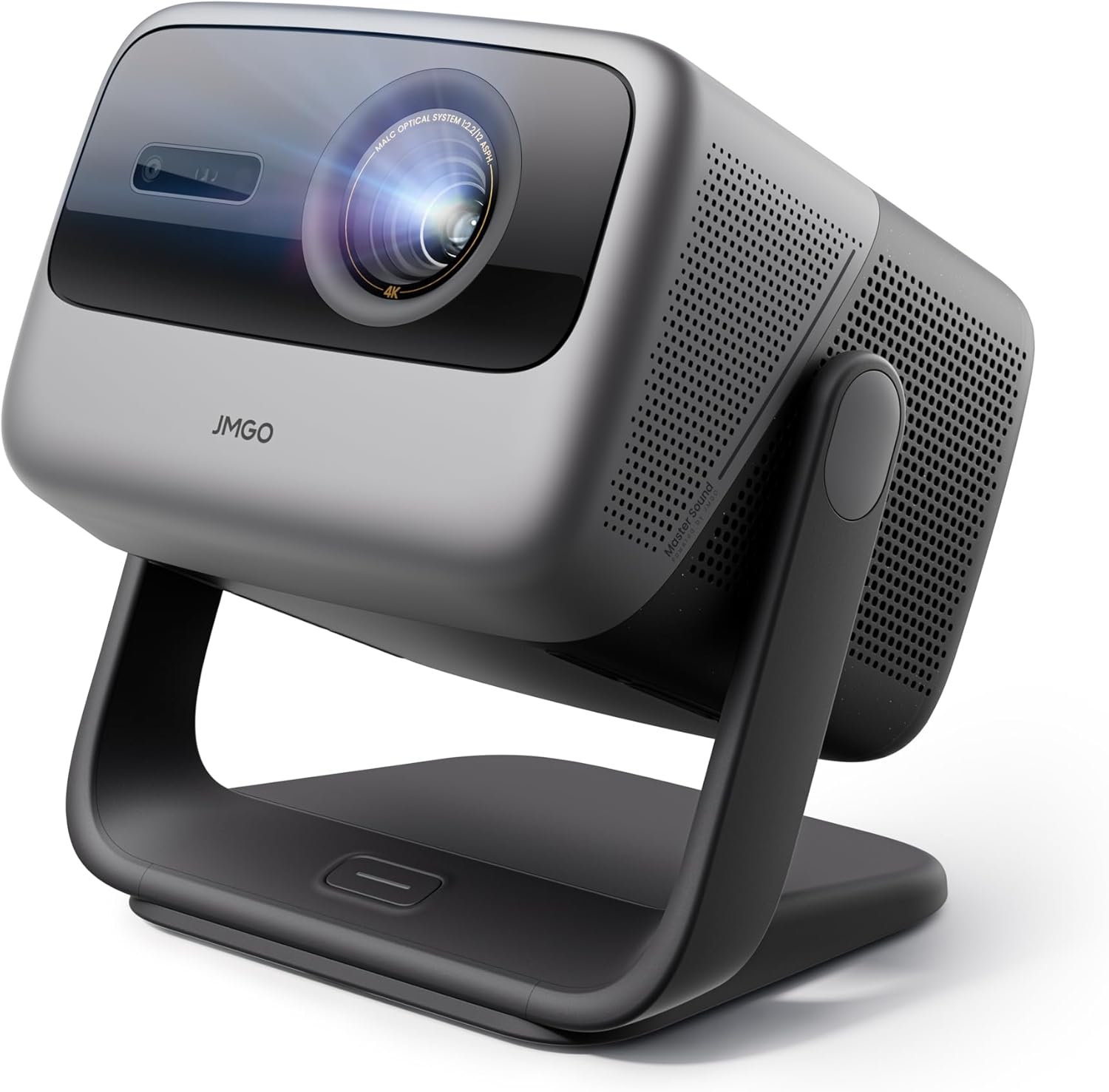
Prior to the release of the N1S Ultimate, a triple laser at this price point was simply not feasible.The following are the main specifications: 4K triple laser, 3300 ISO lumens, 1600:1 contrast, 110% Rec.2020, ΔE<1 color accuracy, 10-bit, support for Google TV and Netflix, 20W Dolby Digital+, and a maximum screen size of 180″.For spaces that aren’t completely dark, its 3300 lumens make it the brightest option. The color fidelity of \E<1 brings the image extremely near to the filmmaker’s original intent.
The following are some of its shortcomings: the narrowest throw at this tier is 180 degrees, the dark sceneries lack depth when compared to the XGIMI, and the contrast ratio of 1600:1 is the weakest in Tier 3.that it’s best suited for: customers that value color accuracy and brightness more than deep contrast. Dark rooms, where contrast is paramount, are not the place for this.The entrance into the triple laser in the bright room.
6: XGIMI HORIZON 20

The HORIZON 20 is distinguished from all below it by a single number: 100,000:1.Specifications: 240 Hz, 1 ms input lag, 300″ maximum, 4K pixel-shift, 3200 ISO lumens, RGB triple laser, 100,000:1 contrast, Dolby Vision, IMAX Enhanced, Harman Kardon, optical zoom, lens shift, autofocus, and 240 Hz.Tier 3 is completely outclassed by this contrast, which provides unparalleled black depth and shadow detail. When combined with RGB triple laser, Dolby Vision elevates HDR content to a dramatic level.
One thing to keep in mind before purchasing is that it is a newer model with fewer owners than the HORIZON Ultra. Additionally, it is important to remember that it is pixel-shift 4K and not native 4K.Darkroom aficionados looking for the most bang for their buck will love this model. Those looking for long-term reviews of a product should look elsewhere.At which point this lineup starts to feel like a movie.
7: Valerion VisionMaster Pro2
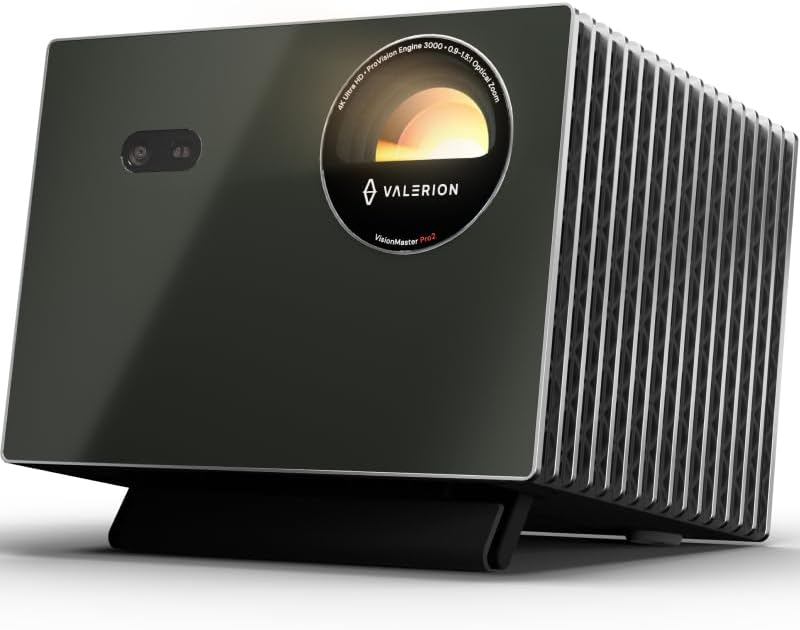
The Pro2 is already factory-calibrated for ISF, which is more important than it sounds at this level.Specifications: 4K triple laser, 3000 ISO lumens, 15,000:1 contrast, 110% Rec.2020, 0.9-1.5x optical zoom, IMAX Enhanced, Google TV, 4ms input lag, Apple HomeKit, and ISF-certified calibration.Right out of the box, the cinema-quality color is brought to you via ISF calibration, and the 15,000:1 contrast ratio really brings the blacks to life. It is a real gaming and movie setup with 4K/120Hz and 4ms input lag.
Truthfully, any area that isn’t completely gloomy will reveal the 3000 ISO lumens ceiling, and Valerion is a newer brand without the storied past of more recognized brands.The ideal users for Google Home and Apple HomeKit are those who are passionate about darkroom calibration and seek precise ISF results. Buyers in bright environments or those who prefer well-known brands may not find this product suitable.It lives up to its billing as factory-calibrated cinema.
8: Epson Home Cinema 5050UB

Three pieces of chipboard. There will be no rainbow. For a long time, the 5050UB was the gold standard for darkroom cinema.Important specifications: pixel-shift 4K PRO-UHD, lamp source, 3-chip 3LCD, 1,000,000:1 dynamic contrast, HDR10, HLG, motorized lens shift both axes, power zoom, 2x HDMI 2.0, no smart OS.The rainbow effect is completely removed by 3LCD, and when viewed in total darkness, the image stacking gives off a more cinematic vibe than anything else. True positioning freedom is achieved via motorized two-axis lens shift.
What they don’t tell you is that it’s lamp-based, so you have to change the bulbs every 3,500 hours. It also doesn’t have a smart operating system, so you have to have a streaming device. And unfortunately, HDMI 2.0 only allows for 4K/60Hz, so you can’t play games with high frame rates.Who this projector is ideal for: enthusiasts of darkroom photography who value a projector with a zero-rainbow 3LCD. Does not meet the needs of customers who want a long-lasting laser, integrated streaming, or 4K/120Hz gaming.The standard in the darkroom—and it’s still being earned.
Things to Consider Before Buying a Home Theater Projector:
Guide your screening experience by understanding key factors before purchasing a home theater projector. Consider aspects such as brightness, resolution, and connectivity options to ensure your choice meets your viewing needs and enhances your home entertainment setup.
Resolution, HDR, and Color Accuracy
Resolution directly impacts image clarity. Higher resolutions like 4K provide sharper images, while HDR enhances contrast and color vibrancy. Accurate colors are imperative for a true-to-life visual experience, so ensure the projector meets high standards in these areas.
Brightness Requirements and ANSI Lumens
Brightness levels are measured in ANSI lumens, informing how well a projector displays images in varying lighting conditions. Your selection should consider the room’s ambient light to ensure optimal viewing quality.
Choosing the right brightness requires understanding your environment. Projectors producing 1,000 to 2,500 ANSI lumens suit most home theaters, while models with higher lumens excel in brighter settings. Low-light spaces may need fewer lumens, but account for reflective surfaces and ambient light to achieve the best results during viewing sessions.
Calculating Throw Distance and Screen Size
Determine your preferred screen size and the projector’s throw distance. This measurement helps you achieve the desired image size without compromising clarity. Factoring in these dimensions early in the process will guide your projector selection and installation setup.
Managing Ambient Light and Surface Selection
Identify the ambient light levels in your viewing space. Controlling light through window treatments or selecting a projector with higher brightness can enhance image quality. Choosing the right screen surface also influences contrast and color accuracy, directly affecting your viewing experience.
Light management is critical for a successful home theater. Darker environments minimize reflections and improve contrast, while lighter surfaces can wash out colors in bright rooms. Opt for a matte finish or a specialized screen that absorbs light effectively to maintain picture quality. Additionally, consider blackout curtains to reduce ambient light during movie sessions, creating an optimal viewing experience.
Cinematic Scale and Visual Immersion
Choosing a projector offers remarkable visual immersion, enhancing your movie-watching experience. The ability to project large images on any surface brings cinematic scale right into your home, making films feel more engaging and lifelike. You’ll appreciate the depth and detail that truly transforms how you enjoy visual content.
Maintenance Requirements and Operational Noise
Operational noise and maintenance can impact your project’s enjoyment. Larger projections may require regular upkeep, such as bulb replacements and filter cleaning, while noise levels could distract from the viewing experience. Assessing how these factors align with your preferences is key to maximizing your home theater experience.
Maintenance involves monitoring the projector’s lifespan, with bulb changes necessary every few thousand hours of use. Depending on the model, this can become a recurring chore. Noise can also vary significantly, particularly with lower-end projectors, which might emit distracting sounds during quiet scenes. Understanding these aspects will help you maintain optimal performance while enjoying your projector.
Audio Integration and External Sound Systems
Integrating an external sound system amplifies the viewing experience. Choosing compatible audio equipment and connecting via HDMI, optical, or audio cables ensures high-quality sound. Invest in surround sound setups for immersive experiences.
Fine-Tuning Image Settings for Maximum Detail
Adjusting image settings significantly enhances picture quality. Calibration involves tweaking brightness, contrast, saturation, and sharpness to suit your viewing environment.
Fine-tuning image settings starts with selecting the right preset mode, whether it’s cinema or dynamic. Utilize calibration tools or software to get accurate readings for brightness and contrast. Adjust color settings to achieve natural tones and use sharpness settings judiciously, as excessive sharpness can create artifacts. Ultimately, a well-calibrated image provides a more engaging viewing experience, drawing you into the action.
Final Words
The decision to buy a home theater projector hinges on several factors, including resolution, brightness, and connectivity options. Assess your space and viewing habits to ensure the projector meets your needs. Research different brands and models to find the best balance of performance and value, ensuring a satisfying home entertainment experience.
Leave a Reply